Nine affirmations for driving anxiety — for motorways, roundabouts and the days when getting in the car feels like too much.
June 3, 2026
·
3 min
Driving anxiety does not always start with a crash. Often it builds quietly: one bad motorway merge, one panic on a bridge, and then a slow shrinking of the routes you are willing to take. The car gets smaller and so does the map.
These ten affirmations are for taking some of that map back. Say them in the driveway before you turn the key, at the red light before the junction you dread, and in the layby if you need to pull over. Pulling over is allowed.
Using these on the road
Choose one line and keep it short enough to say on a single exhale, because you will be saying it with your eyes on the road. Long affirmations do not survive a roundabout.
Pair it with something physical: loosen your grip on the wheel by one notch as you say it, or drop your shoulders on the last word. Anxiety in the car lives in the hands and jaw, and the phrase works better when it has a body cue attached.
9 Affirmations for Driving Anxiety
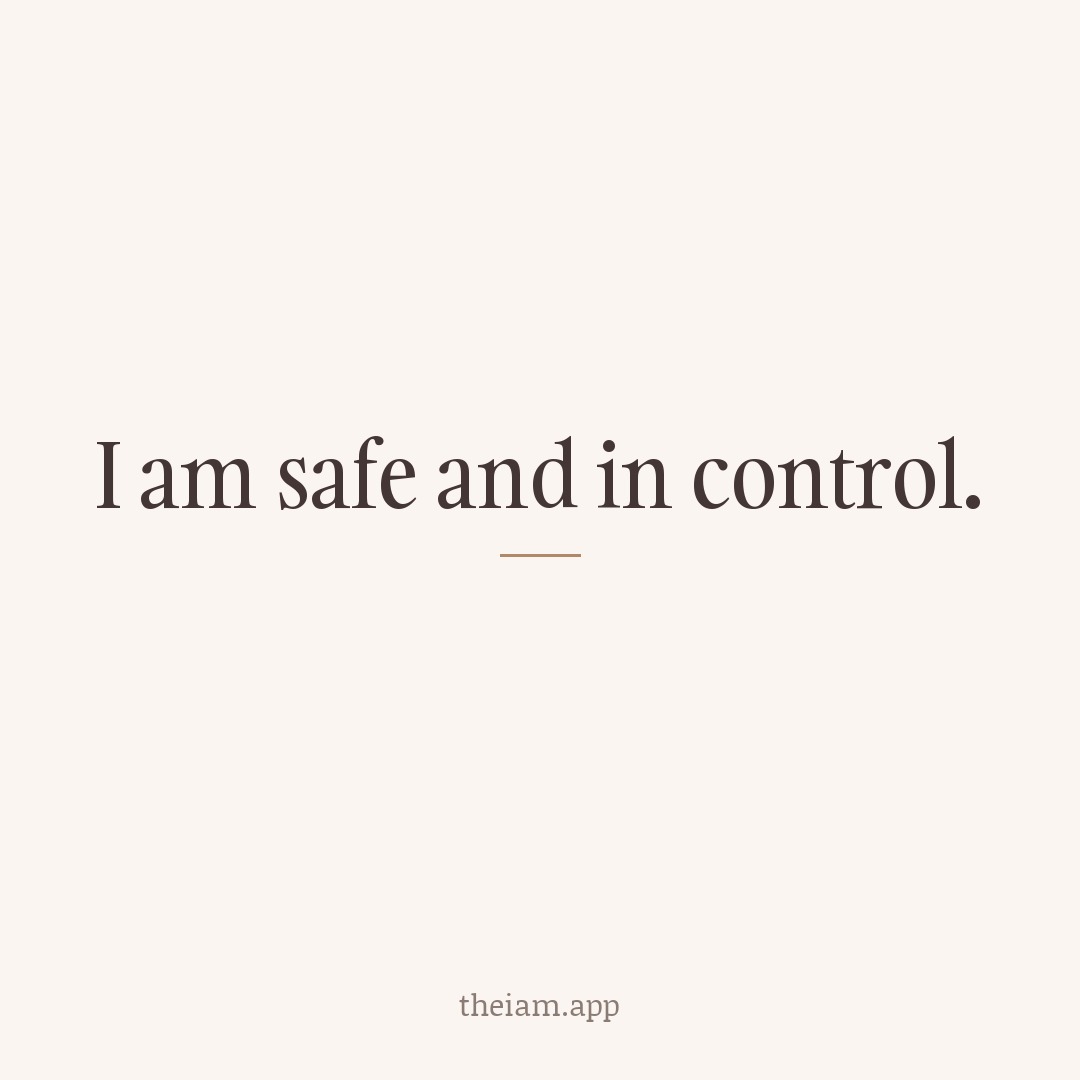
1. “I am safe and in control.”
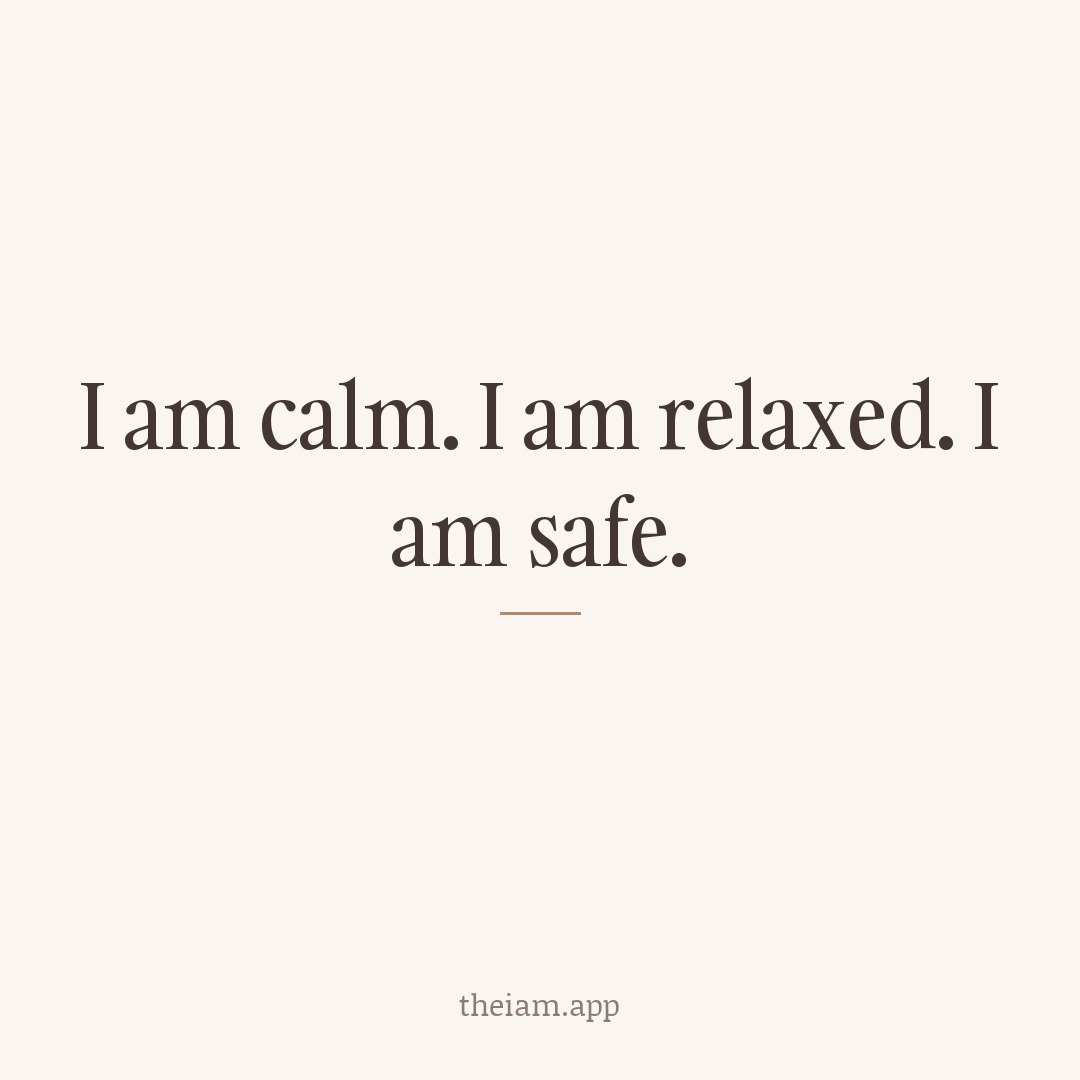
2. “I am calm. I am relaxed. I am safe.”
3. “I trust myself to maintain calm and relaxed.”
4. “I am calm, centered, and in control.”
5. “I stay calm and focused.”
6. “I am able to stay calm because I trust myself to handle everything that comes my way.”
7. “I stay calm and steady.”
8. “I have the natural ability to stay in control.”
9. “I am calm because I am in control.”
Frequently asked questions
What should I say to myself while driving anxious?
Keep it to one short line you can say on an exhale — "I am safe and in control" — and repeat it rather than switching between phrases. Your attention needs to stay on the road, so the affirmation has to be simple enough to run in the background.
Is it better to avoid the roads that scare me?
Avoidance shrinks the map over time: the road you skip this month is usually harder next month. Building back gradually — the same junction on a quiet Sunday morning first — is how most people recover the route.
Do affirmations help with panic while driving?
They can steady the build-up. If you get full panic attacks behind the wheel, treat pulling over safely as the first response and the affirmation as what you say once you have stopped.
How long does driving anxiety take to improve?
It usually moves with repetition rather than time — a few short, deliberately easy drives a week does more than one long drive a month. Progress tends to be uneven, and one bad journey is not a reset to zero.